As November arrives in Edmonton, the autumn leaves vanish, the daylight shrinks, and the inevitable shift toward extreme Alberta winter weather begins. For homeowners, landlords, and property managers across the Capital Region—from Windermere to Griesbach—the changing season brings an urgent responsibility.
Preparing an Edmonton property for deep winter isn't just about personal comfort; it is a financial necessity. Failing to winterize correctly can lead to burst water pipes, catastrophic structural roof damage from ice dams, and skyrocketing utility bills.
This comprehensive, step-by-step checklist outlines exactly how to winterize your Edmonton home to protect your investment, maintain thermal efficiency, and keep your family secure through the harshest months of the year.
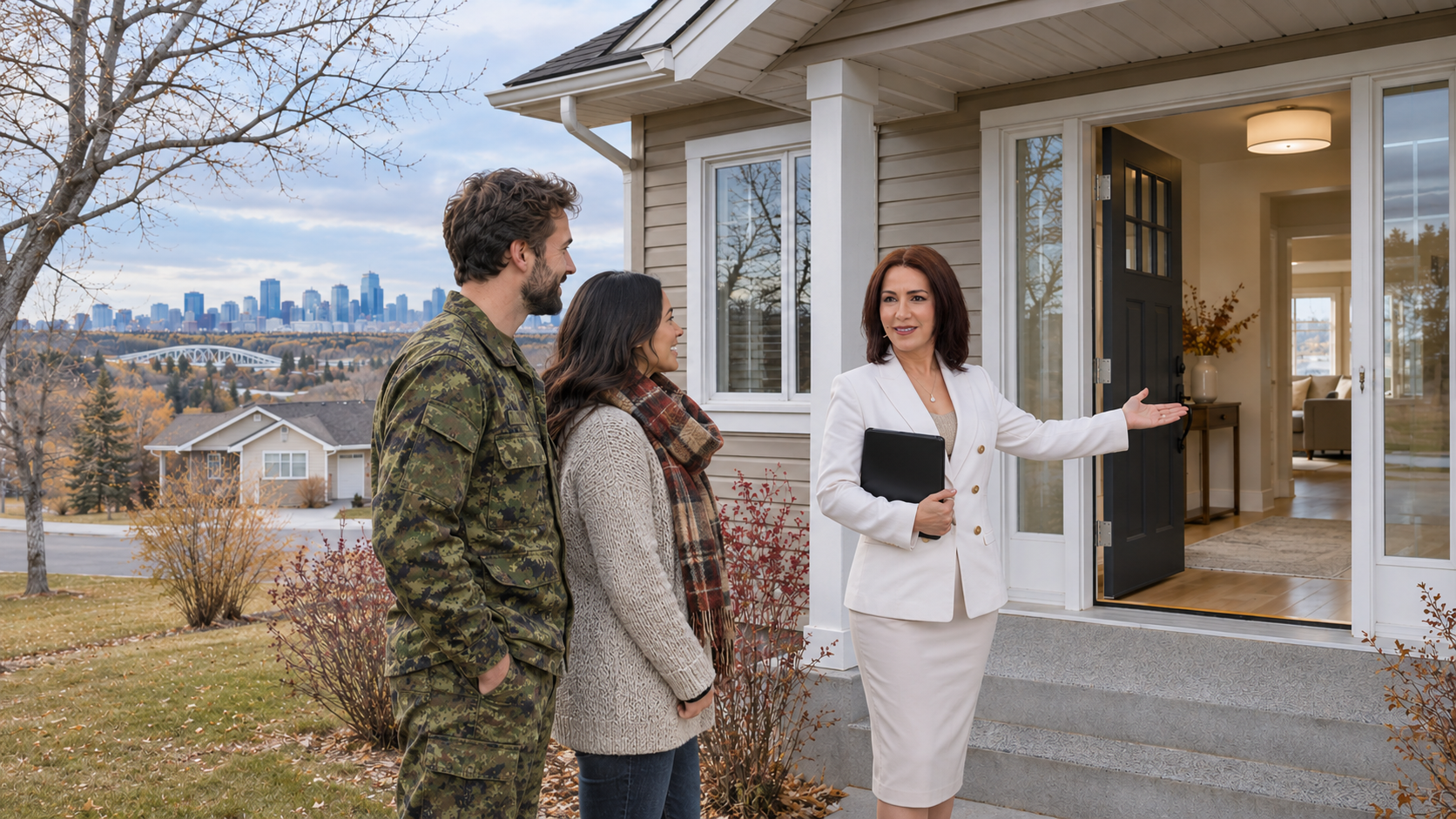
I’m Nooran Ostadeian, an Edmonton REALTOR with RE/MAX Elite based in Windermere. If you’re buying or selling a home in Edmonton, this winter home maintenance checklist can help you prepare questions for a home inspection or prioritize seasonal tasks before listing. About Nooran Ostadeian
1. Exterior and Perimeter Winterization: Protecting the Shell
Your home’s first line of defense is its exterior shell. Before the ground freezes completely and deep snow blankets the city, you must secure your property’s perimeter.
Foundation and Grading Review
Edmonton’s clay-rich soil contracts and expands drastically based on moisture and frost. Inspect your home's foundation walls for any hairline cracks or shifts.
Action Step: Seal exterior foundation cracks with a premium, exterior-grade polyurethane sealant or concrete patch material. Ensure the grading around your home slopes down and away from the foundation walls by at least six feet. This prevents melting snow from pooling against your basement walls during sudden chinooks or early spring thaws.
Gutter Clearance and Downspout Management
When autumn leaves and debris clog your gutters, melting snow has nowhere to flow. It pools in the troughs, refreezes, and forms heavy ice dams that can rip gutters off your house and force water backward underneath your roof shingles.
Action Step: Clear all leaves, twigs, and dirt from your gutter networks. Ensure your downspout extensions are firmly attached and extend at least 1.5 to 2 metres away from your foundation. Direct them toward areas where water can flow safely away from your home, avoiding walkways where ice patches could create a slip hazard.
2. Plumbing Safety: Preventing Catastrophic Frozen Pipes
A burst water line can cause tens of thousands of dollars in water damage within minutes. Because Edmonton experiences prolonged stretches of temperatures below -30°C, your plumbing system requires absolute vigilance.
Outdoor Hose Bibs and Spigots
Leaving a garden hose connected to an outdoor faucet over winter is one of the most common causes of burst internal pipes. Water trapped inside the hose freezes, expands, and exerts backpressure on the valve inside your home.
Action Step: Disconnect all garden hoses, drain them completely, and store them away. Turn off the interior shut-off valve that supplies water to your outdoor faucets (usually located in your basement or utility room). Once the inside valve is tightly closed, go outside and open the exterior spigot completely to drain any residual water trapped in the line. Leave the exterior valve open all winter.
Insulating Vulnerable Piping
Pipes running through unheated crawlspaces, uninsulated basements, or along exterior walls are highly susceptible to freezing during extreme cold snaps.
3. HVAC and Heating Systems: Optimizing Thermal Comfort and Efficiency
Your heating system will run almost continuously for the next five months. Ensuring it operates at peak efficiency saves money and protects your family if the city experiences an extended power outage.
Furnace Maintenance and Filter Lifecycles
A dirty furnace filter restricts airflow, forcing your heating system to work much harder to warm your home. This shortens the lifespan of the furnace components and drives up your monthly energy bill.
Action Step: Replace your furnace filter at the beginning of November, and check it every 30 days throughout the winter. If you use standard 1-inch pleated filters, change them monthly during heavy winter usage. For properties with older heating infrastructure, schedule an annual professional inspection with a licensed technician to clean the burners, test safety limits, and check the heat exchanger for hazardous carbon monoxide leaks.
Programmable Thermostats and Smart Settings
Optimizing your indoor temperature variables prevents unnecessary heating expenses while keeping the structure safe.
Action Step: Program your smart thermostat to maintain a baseline of at least 16°C to 18°C, even when you are away from home or traveling for the holidays. Dropping the indoor temperature too low can cause cold pockets to form inside exterior walls, freezing hidden plumbing lines.
4. Insulation and Draft Proofing: Sealing Your Microclimate
According to local energy audits, drafty windows and poorly sealed doors account for up to 25% of a home’s total heat loss. Draft proofing is one of the most cost-effective DIY projects you can complete.
Weatherstripping Doors and Windows
If you can feel a cool breeze or see daylight around your exterior door frames, you are paying to heat the outdoors.
Action Step: Inspect the rubber or foam weatherstripping around all entry doors and windows. Replace cracked, compressed, or missing strips with high-quality silicone or foam tape. Install heavy-duty door sweeps on the bottom of all exterior doors to eliminate floor-level drafts.
Window Insulation Film
For older Edmonton character homes with single-pane windows, drafts can create persistent cold zones inside your living spaces.
Action Step: Apply transparent plastic window insulation shrink film to drafty windows. Secure the film with double-sided tape around the window trim, then use a standard hair dryer to shrink the film, sealing out cold air leaks completely.
5. Attic Ventilation and Roof Health: Stopping Ice Dams Before They Start
Proper attic winterization requires a delicate balance between effective insulation and clear, continuous airflow.
Insulation Depth and R-Value
An under-insulated attic allows warm indoor air to escape into your attic space. This warms the underside of your roof deck, melting the bottom layer of snow on your roof. The runoff trickles down to the cold eave lines, where it refreezes into massive ice dams.
Baffle Openings and Soffit Ventilation
Attic vents must remain completely unobstructed to allow cold outdoor air to circulate smoothly beneath the roof deck.
Action Step: Ensure your attic insulation does not cover or block your soffit vents. Use rafter vents (or insulation baffles) to maintain a clear channel for fresh air to enter from the eaves and exit through your ridge or roof vents. This keeps your roof deck cold, preventing the freeze-thaw cycles that cause ice dams.
6. Emergency Preparedness: Planning for the Unexpected
Edmonton winters are unpredictable. Blizzards, freezing rain, and high winds can disrupt the electrical grid or compromise home systems when you least expect it.
Carbon Monoxide and Smoke Detector Audits
Because homes are sealed tightly during winter and combustion appliances run constantly, the risk of localized carbon monoxide buildup rises significantly.
Action Step: Test every smoke and carbon monoxide detector in your home. Replace old batteries with fresh ones, and check the manufacture date printed on the back of the units. Carbon monoxide detectors generally must be replaced every 5 to 7 years, while smoke detectors should be replaced every 10 years.
Creating a 72-Hour Winter Emergency Kit
If a severe winter storm causes a prolonged power outage, your home can lose heat rapidly.
Action Step: Assemble an easily accessible emergency kit containing non-perishable food, bottled water (4 litres per person per day), heavy wool blankets, flashlights with extra batteries, a crank-powered radio, a first-aid kit, and fully charged external power banks for cellular devices.
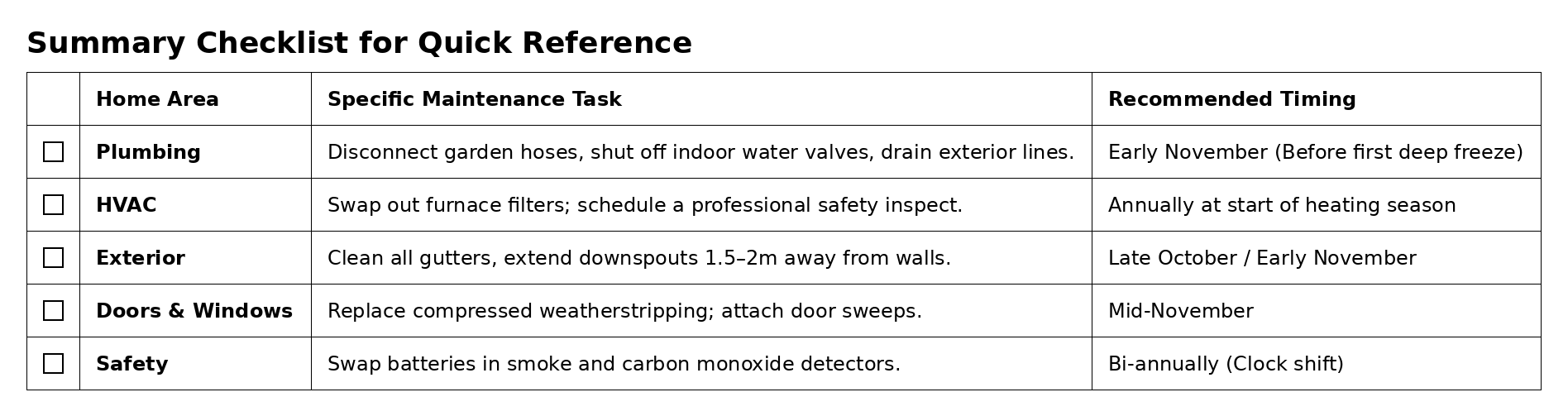
Summary Checklist for Quick Reference
By checking off these items, you protect your property from structural damage and reduce your monthly utility bills. Take the time to secure your property now, before the true winter weather takes hold.
Buying or Selling a Home in Edmonton This Winter?
Whether you’re exploring homes for sale in Windermere or Ambleside or preparing to sell your Edmonton home, I can help you plan for winter showings and prepare for your next move. Contact Nooran Ostadeian, Edmonton REALTOR® with RE/MAX Elite
Contact Nooran Ostadeian
TOP REALTOR® | RE/MAX Elite
Call at 780-953-0723
Website: realtyedmonton.ca