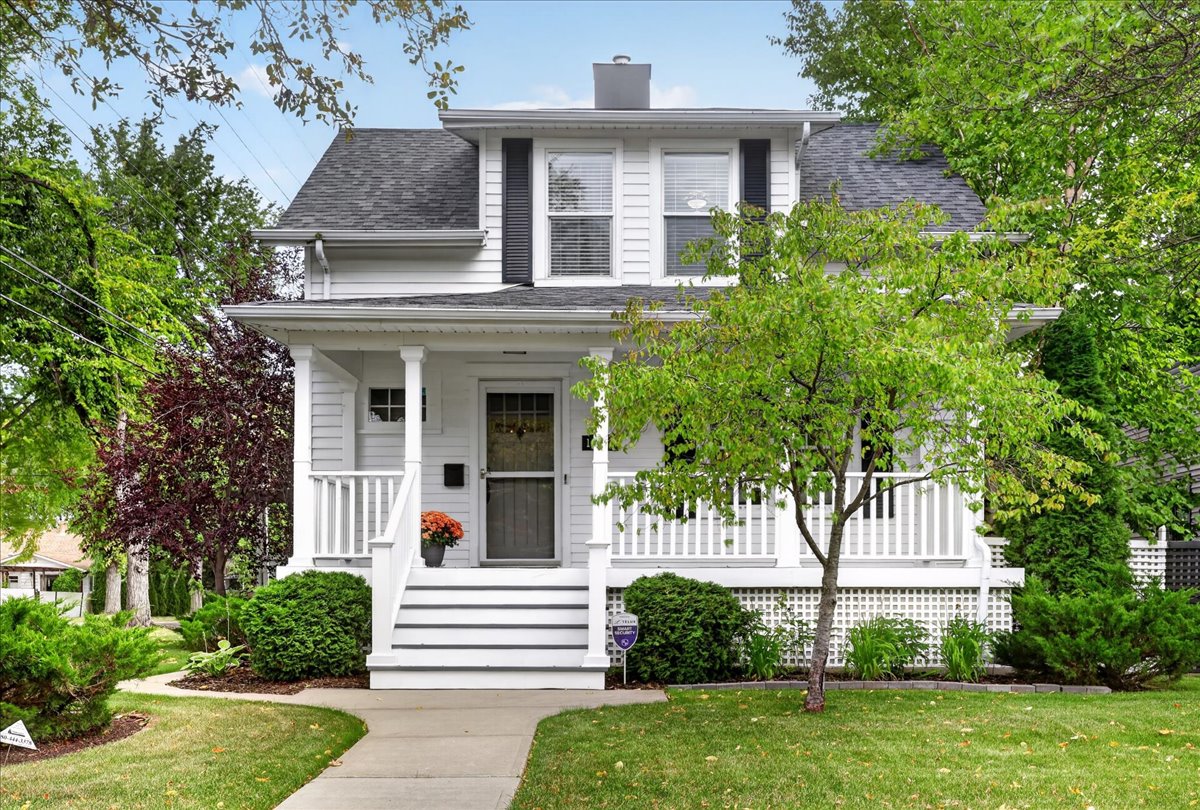
Radon has become a more common topic in Edmonton real estate, especially during home inspections and when buying newer homes. But many homeowners are still unsure what radon actually is, when it becomes a concern, and whether testing is really necessary.
Radon is a naturally occurring radioactive gas that comes from the breakdown of uranium found in soil, rock and other geological materials. It can enter a home through cracks in the foundation, floor drains, sump areas, construction joints and other openings. One important point is that radon levels can vary significantly from one home to another.
Even two neighbouring homes can have very different readings.
Is Radon a Concern in Edmonton?
Edmonton is not generally thought of as a rocky or mountainous area, which is why many homeowners assume radon is not an issue here. However, radon does not require exposed rock underneath a property.
Recent Canadian testing has shown that some Edmonton-area homes do have elevated radon levels. That does not mean every Edmonton home has a problem, but it does mean testing can be useful if a homeowner wants to know their actual level. The key is not to assume that a home has a problem simply because it has a basement.
When Does Radon Become Dangerous?
Health Canada recommends taking corrective action when the long-term radon level is above 200 Bq/m³.
Radon is generally considered a long-term exposure concern rather than an immediate danger. The health risk is associated with breathing elevated levels over many years. This is also why a proper long-term test is more useful than a very short test.
Finished Basement vs. Unfinished Basement
A finished basement does not create radon, and an unfinished basement does not automatically mean there is no concern. What matters more is how the basement is being used.
If the basement contains a bedroom, family room, home office, rental suite or other living space where people regularly spend several hours per day, testing becomes more relevant because occupants are spending more time at the lowest level of the home.
If the basement is unfinished and mainly used for storage, the exposure level may be less significant simply because people spend less time there.
What About a 48-Hour Radon Test During a Home Inspection?
This is an important distinction for buyers and sellers. Radon levels can change throughout the day and throughout the year depending on weather, ventilation, heating systems and other conditions.
A short 48-hour test can provide some information, but it should not be considered the same as a proper long-term radon test. Health Canada recommends testing for at least 91 days, preferably during the heating season, when homes are typically closed more tightly.
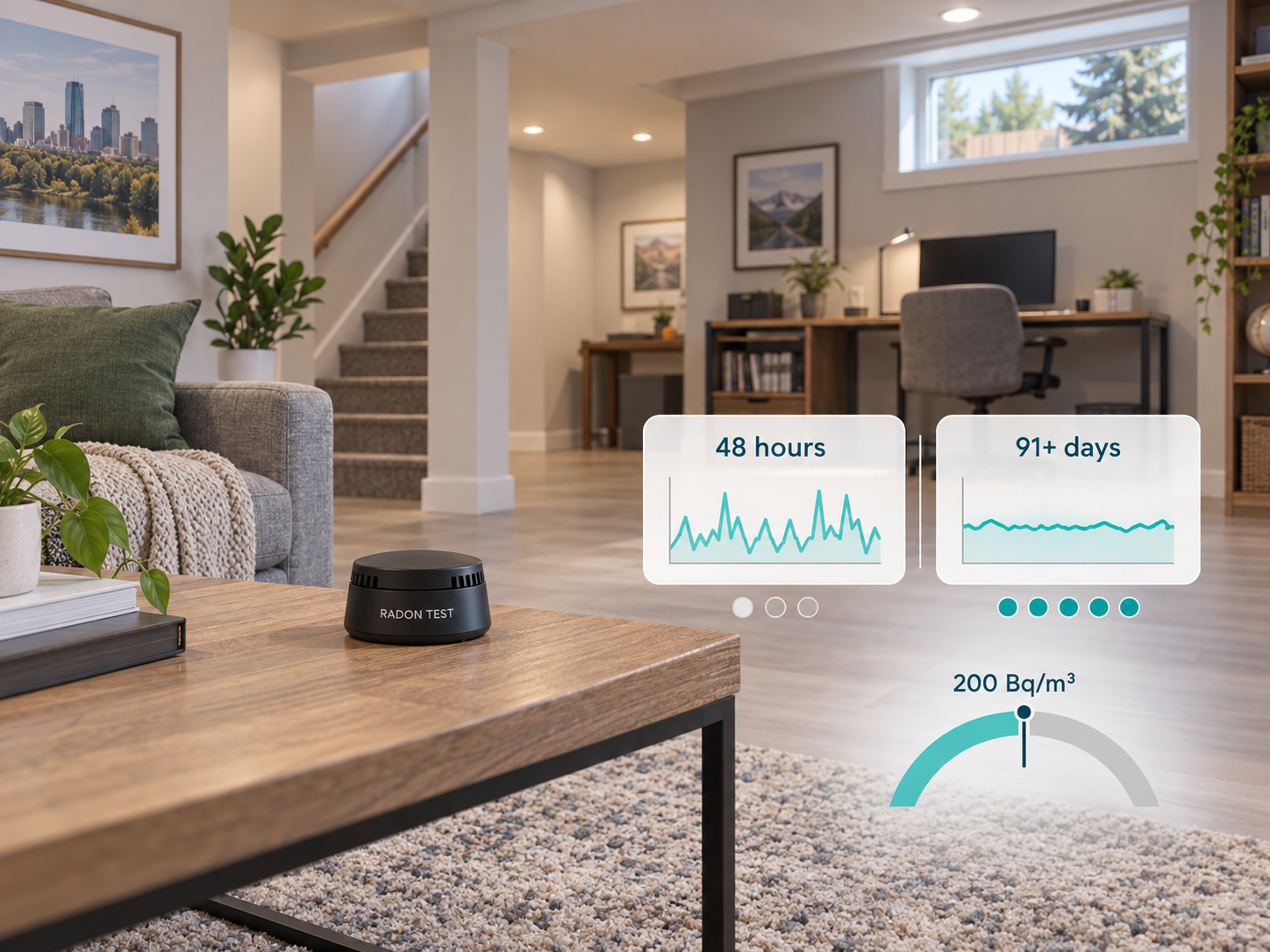
For homeowners who truly want to know the radon level in their home, a long-term test provides a much more reliable picture.
Why Are New Homes Being Built With Radon Rough-Ins?
Many newer homes now include a radon mitigation rough-in during construction. This does not mean the builder believes the home has high radon.
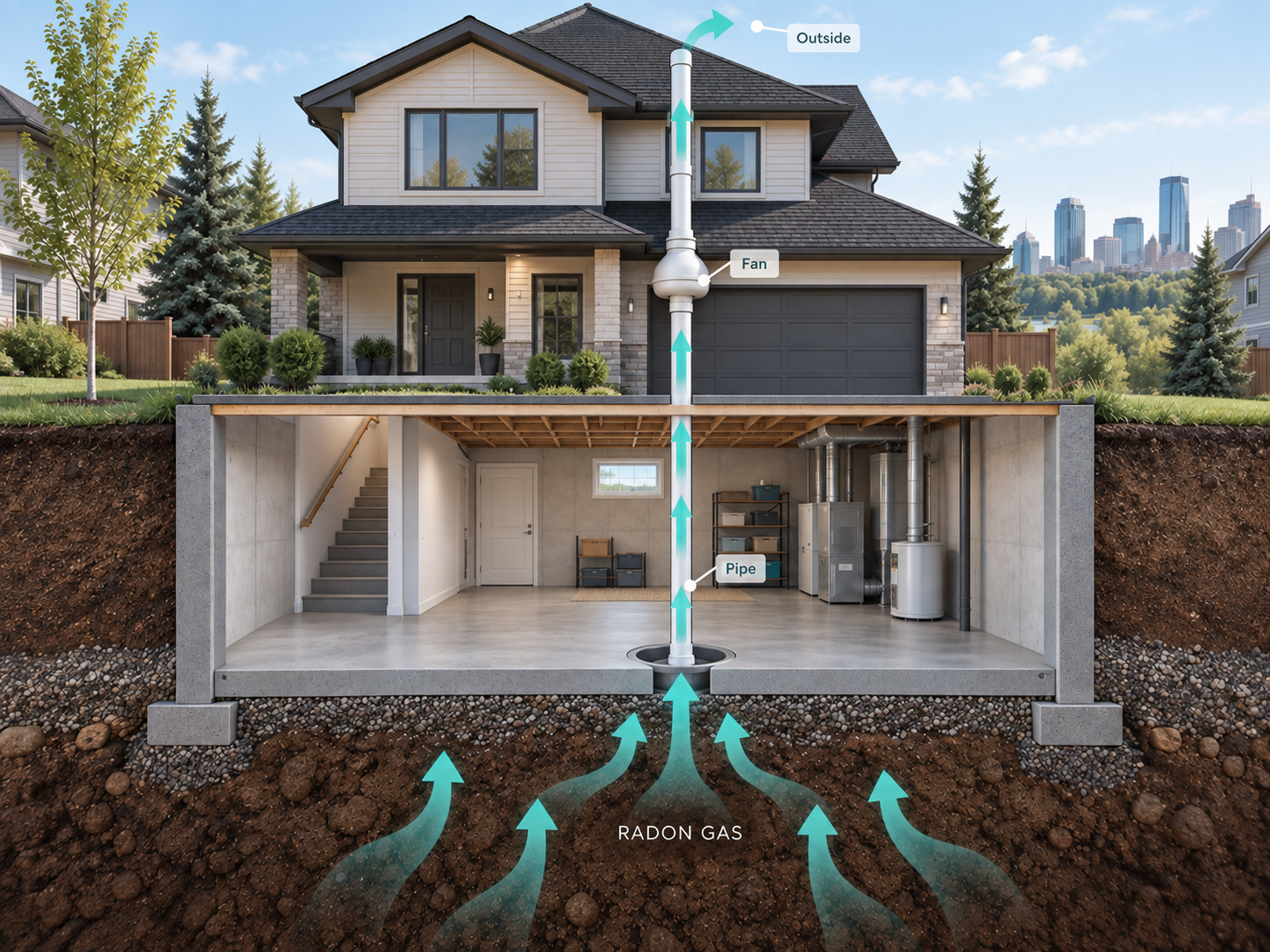
A rough-in is simply a preparation system installed under the basement slab so that a radon fan and exhaust system can be added more easily in the future if testing ever shows elevated levels. In many ways, it is simply easier and less expensive to prepare for radon during construction than to modify the foundation later.
What Happens If Radon Levels Are High?
If a long-term test shows elevated radon levels, the problem can usually be corrected. The most common solution is called active sub-slab depressurization.
A pipe is installed through the basement floor and connected to a small fan. The system draws radon gas from beneath the foundation and exhausts it outside before it enters the home.
These systems can be very effective and can significantly reduce radon levels.
How Much Does Radon Testing Cost?
A basic long-term radon testing kit is relatively inexpensive. Depending on the test and laboratory fees, homeowners can generally expect to spend approximately $50 to $100 or more.
If mitigation is required, installation costs can vary depending on the size and design of the home, but a professionally installed radon mitigation system is commonly in the range of approximately $2,000 to $4,000.
Should Edmonton Homeowners Test?
Radon should be approached practically rather than fearfully. There is no reason to assume that every Edmonton home has a radon problem, and the presence of a basement or a radon rough-in should not automatically concern buyers. The simplest approach is to test properly if you want certainty.
A long-term test can tell you the actual radon level in your home. If the result is below the recommended guideline, there may be nothing further to do. If the level is elevated, effective mitigation options are available.
For homeowners and buyers, understanding the difference between proper long-term testing, short-term testing and radon mitigation can help avoid unnecessary worry and allow decisions to be based on actual information rather than assumptions.
About Nooran
If you’re considering buying a home in Edmonton, working with an experienced REALTOR® can help you understand not only the property itself, but also the important details that may come up during inspections, negotiations and the condition-removal process. Nooran Ostadeian with RE/MAX Elite has been helping Edmonton buyers and sellers since 2007 and understands the many details involved in purchasing a home—from reviewing property information and inspection findings to helping clients ask the right questions before making a decision. If you’re planning to buy, sell or invest in Edmonton real estate, contact Nooran at 780-953-0723, nooran@realtyedmonton.ca, or visit realtyedmonton.ca.
Contact Nooran Ostadeian
TOP REALTOR® | RE/MAX Elite
Call at 780-953-0723
Website: realtyedmonton.ca